
Properly storing dishes means plates, bowls, cups, and glasses remain visible, easily accessible, and protected. Instead of stacking everything as high as possible, short stacks, designated cabinet zones, and soft interlayers help. This saves you time in everyday life and prevents scratches, chipped edges, and cluttered cabinets.
Planning Zones in Your Dish Cabinet

Everyday PlatesCereal BowlsFavorite Cups
Everything is accessible without restacking.
Serving PlattersReserve DishesRare Sets
Everyday surfaces remain clear.
Heavy PlatesLarge BowlsSturdy Platters
Lifting remains short and safe.
Safely Stacking Plates and Bowls

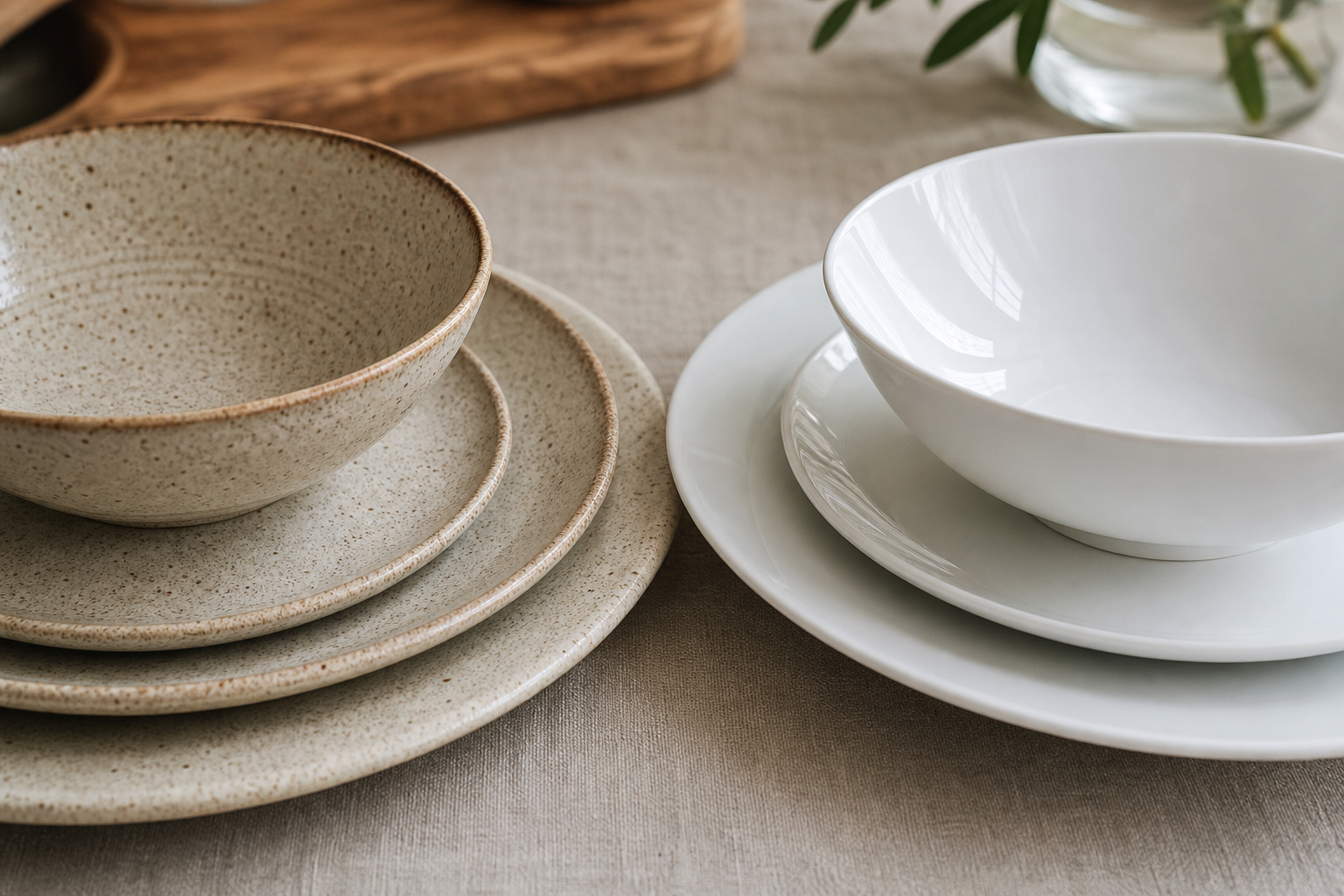
Tall plate stacks appear space-saving but are inconvenient in daily use. It's better to divide large quantities into two lower stacks. For stoneware, matte glazes, or delicate decors, thin felt separators or clean cotton interlayers help. If you're unsure which material suits your daily needs better, the Stoneware or Porcelain comparison can help. Bowls should rest loosely inside each other and be removable without force.
Protecting Cups and Glasses

Cups are most stable standing on their bases. Glasses need a dry, flat surface and some space so they don't bump into each other when removed. Thin-walled glasses or festive dinnerware are best stored in a closed cabinet area.
Sensibly Sorting Dinnerware Sets
For large dinnerware sets, it's worth thinking of plates, bowls, and cups separately. A set for six people doesn't necessarily need one large spot. Clear groups are better: dinner plates at the bottom, dessert plates next to them, bowls at arm's reach, and cups near coffee or breakfast areas. The same logic applies on a smaller scale for on-the-go; when packing a picnic basket, a clear order protects plates, glasses, and cutlery during transport.
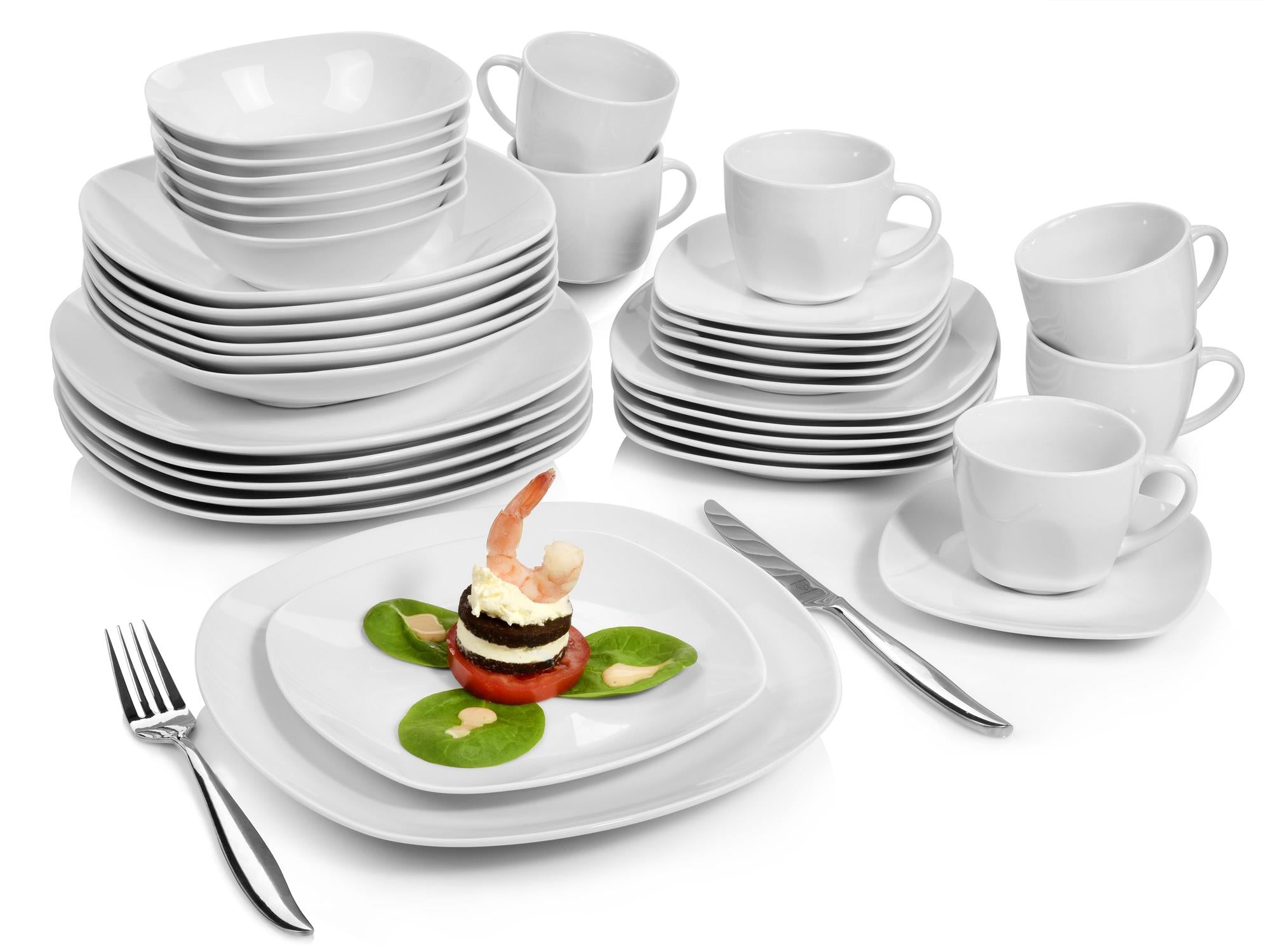
One Set, Clear Groups
The 36-piece porcelain combi service Bilgola bundles plates, bowls, and cups for six people. Plan a fixed cabinet zone for each.
View Bilgola30-Second Cabinet Check
- Everyday dishes are accessible without rearranging.
- Stacks are low and stable.
- Delicate surfaces have clean interlayers.
- Glasses do not touch each other.
- Heavy items are at the bottom.
- No door or drawer hits dishes.
Frequently Asked Questions
How high should plates be stacked?
Low enough that you can remove individual plates without force and without risky lifting. It's better to divide large quantities into two stacks.
What should be placed between delicate plates?
Thin felt separators or soft cotton interlayers protect against direct contact. They should be clean, dry, and smooth.
Should cups stand with the opening facing up?
On a clean, dry cabinet surface, placing the opening facing up is practical because the drinking rim bears no weight and residual moisture can evaporate.

Mara Stein
Expert for table culture, recipes, and product knowledge at SÄNGER. Mara combines material knowledge, everyday experience, and a sense of style to help you select, combine, and care for dinnerware more easily.
Learn more about Mara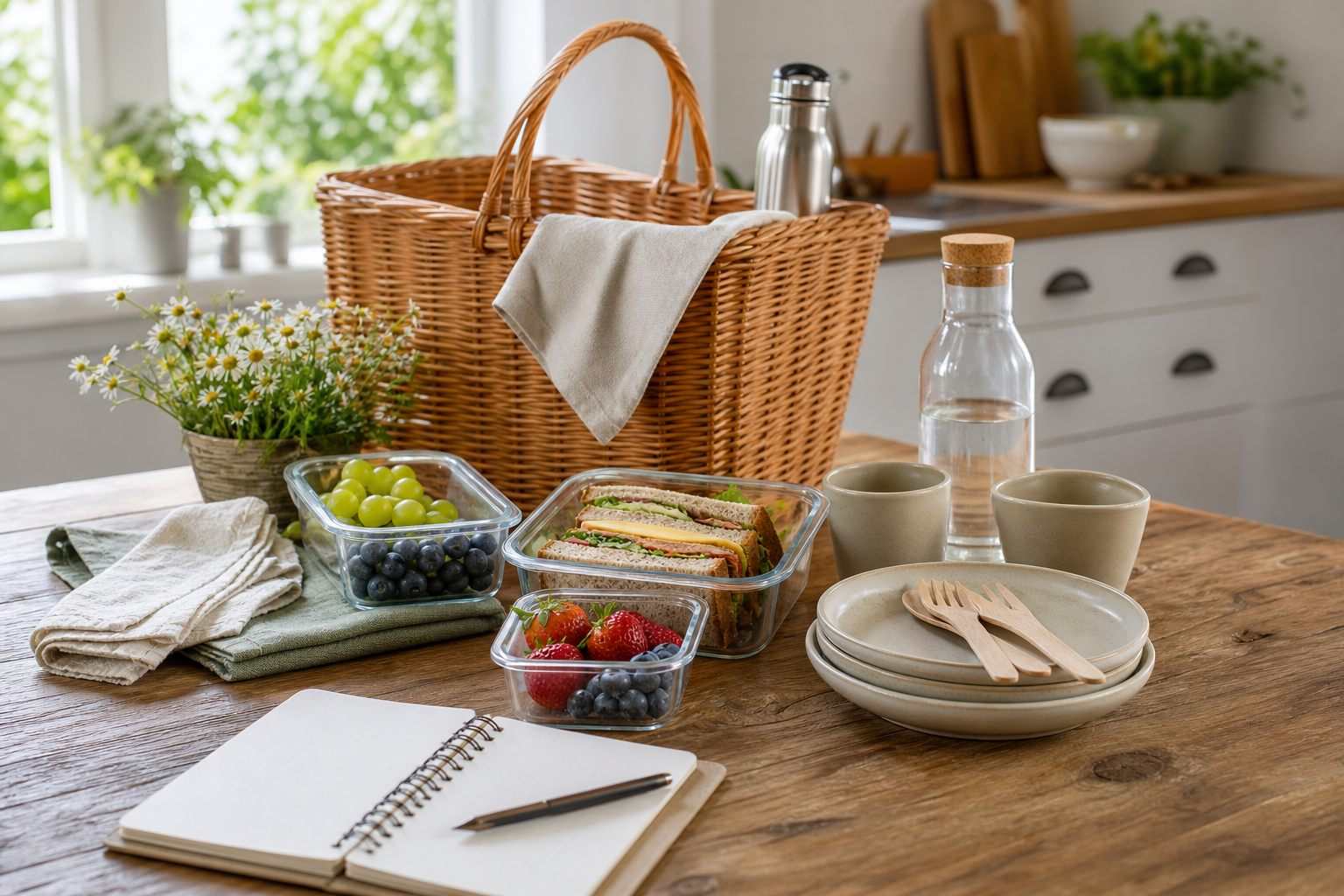

Leave a comment
This site is protected by hCaptcha and the hCaptcha Privacy Policy and Terms of Service apply.